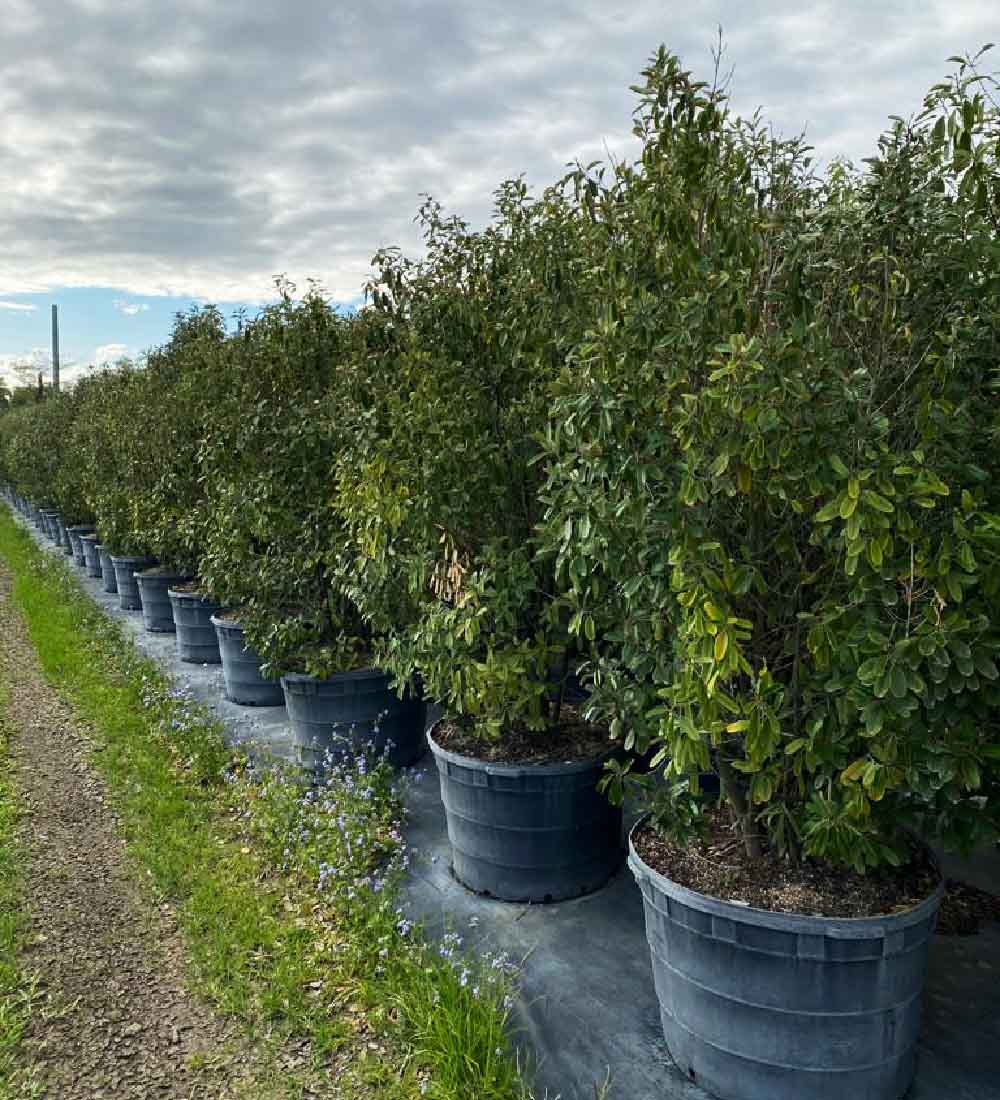
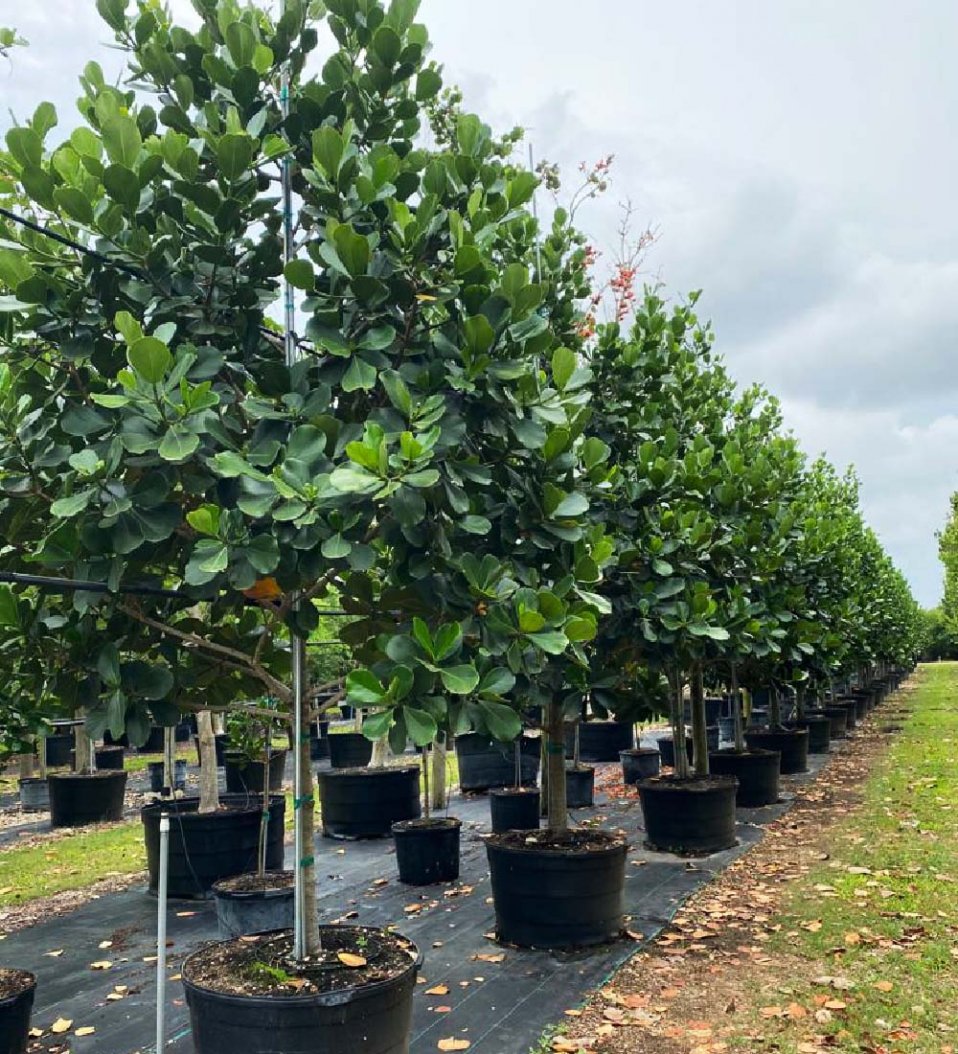
Vegetation is one of the most effective ways to reduce noise around your home. Urban areas often produce constant sound from traffic, neighbors, businesses, and public spaces. These noises can affect comfort, health, and overall quality of life.
Sounds such as vehicle traffic, sirens, and nearby activity easily travel into homes and gardens. Over time, this noise can become disruptive and even stressful. That’s why planting noise-reducing vegetation is an effective and natural solution.
Sound Barrier Plants for Noise Reduction
In residential areas, noise from busy roads or highways can impact entire neighborhoods and even reduce property values. In some cases, municipalities install solid noise barriers made of masonry or wood. These structures work best when combined with trees and shrubs planted behind them.
Trees and shrubs help absorb, deflect, and soften sound waves. They also improve the appearance of barriers by concealing hard surfaces and adding natural beauty.
Homeowners can achieve similar results on a smaller scale. Planting a dense row of trees or shrubs creates a living sound buffer that reduces noise while improving privacy and aesthetics.
Best Plants for Vegetation Sound Barriers
To work effectively, sound barrier plants should be planted perpendicular to the noise source. Dense vegetation performs best, especially when planted in layers.
The most effective sound-reducing plants:
-
Have thick foliage
-
Grow close together
-
Stay evergreen year-round
-
Feature broad leaves and dense branching
These plants create a solid green wall that helps block sound while also enhancing the landscape.
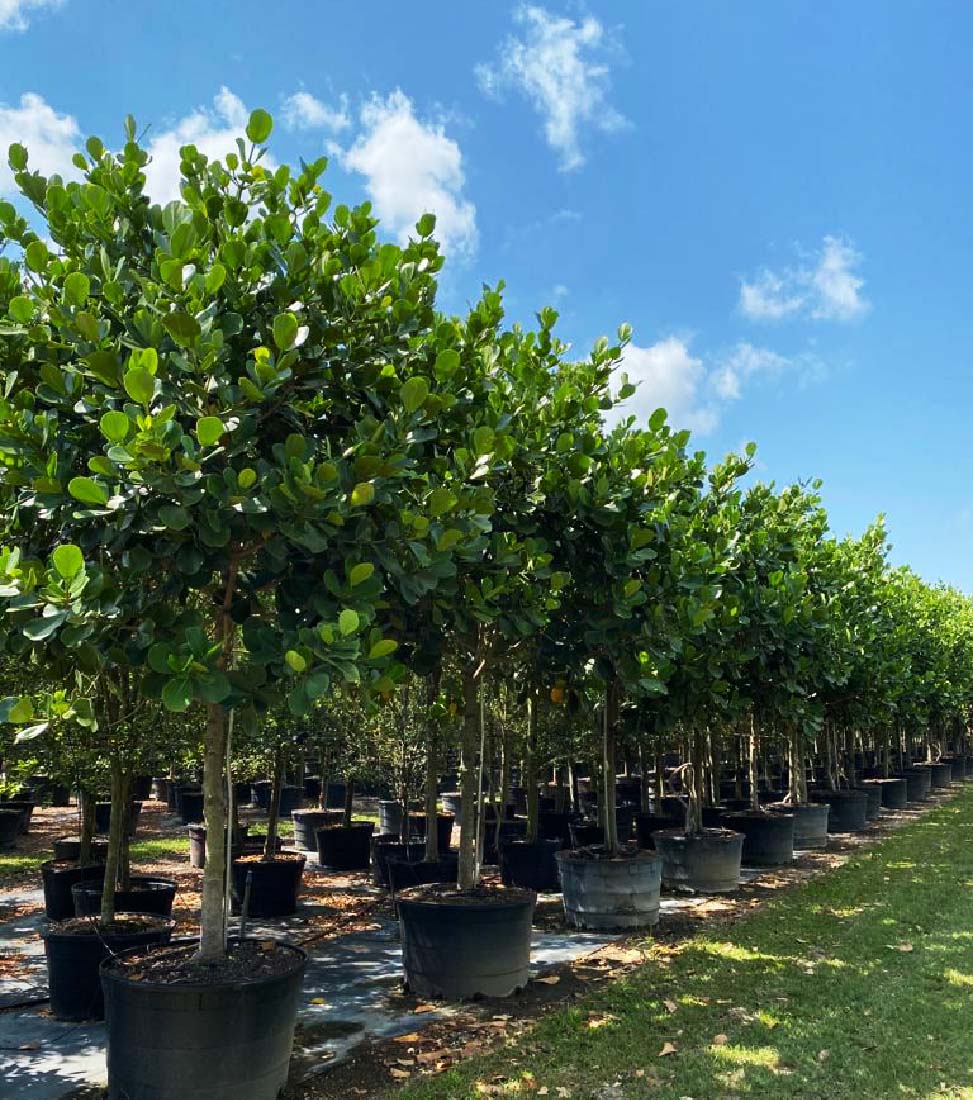
Second, sound-absorbing plants such as trees and shrubs should grow low to the ground. They should have dense branching with little or no space between the foliage and soil. Ideally, these plants should reach a height of about six feet to help block noise effectively.
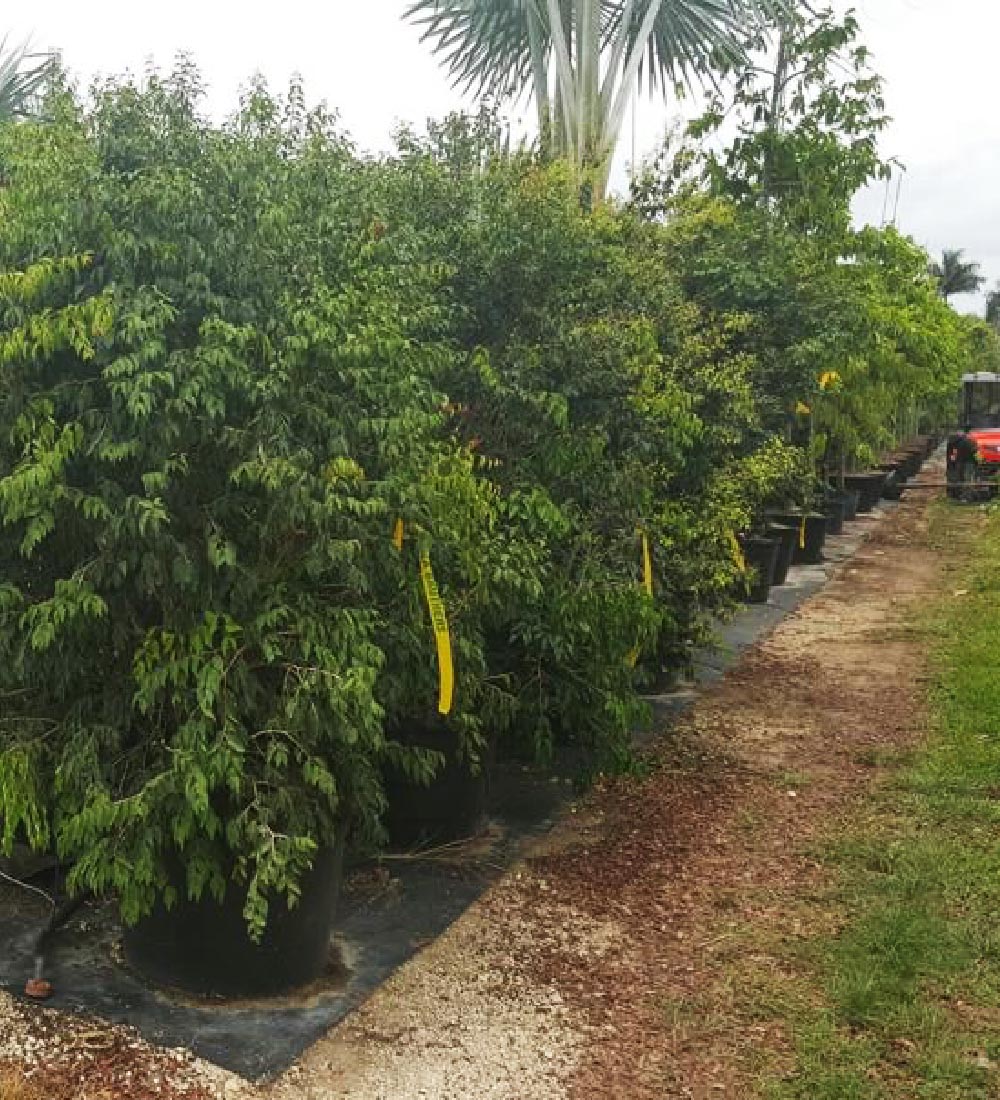
Adding a low soil berm of about 5 to 6 inches high. Along the base of the planting further improves sound reduction. The berm helps stop sound from traveling underneath the vegetation. If drainage becomes an issue, you can cut small gaps into the berm to allow water to pass through. Another option is to place trimmed branches or tree trunks end to end at the base of the barrier. Old railroad ties can also serve this purpose.
Several shrubs and small tree types work especially well as natural sound barriers. At TreeWorld, some of the most effective options include bush-form Red Stopper (Eugenia rhombea), Hollies (Ilex spp.), Clusia (Clusia guttifera), and Jamaican Caper (Capparis cynophallophora).
Prune noise-barrier hedges regularly, just as you would any hedge. Focus on encouraging dense growth near the ground, since lower foliage plays the most important role in reducing sound.